Westzijder & Guisveld
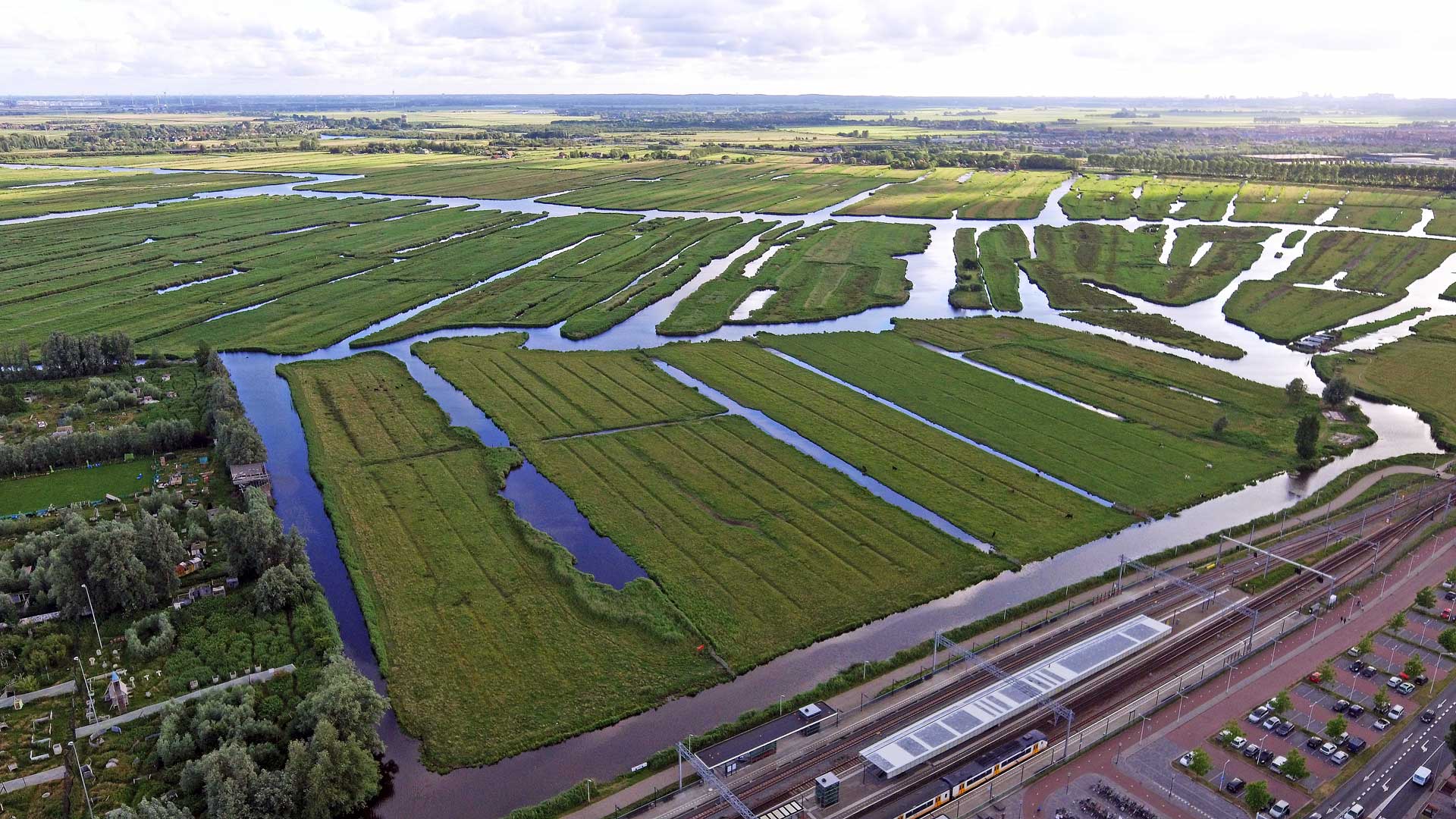
The Westzijderveld
The Westzijderveld
was a windmill district
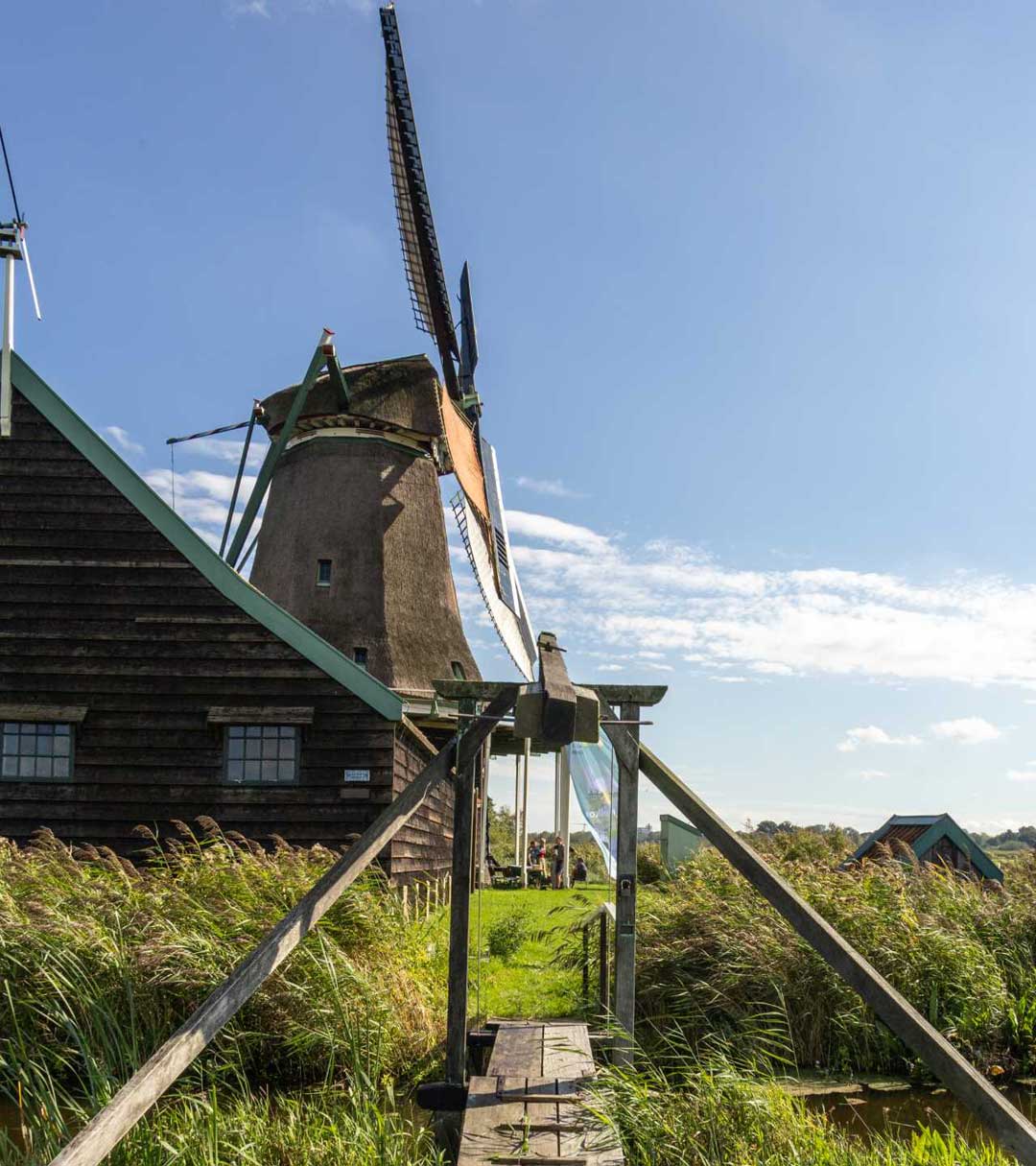
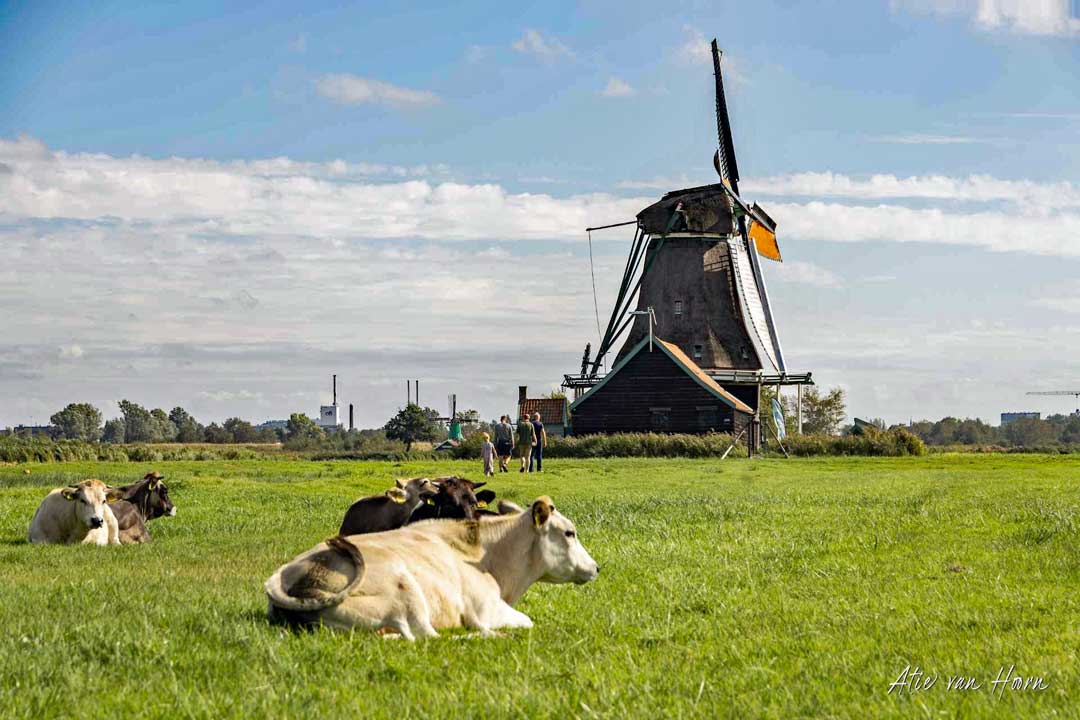
The Westzijderveld was a prime area for mills. In particular,
wood sawmills, and later the steam sawmills, established themselves in
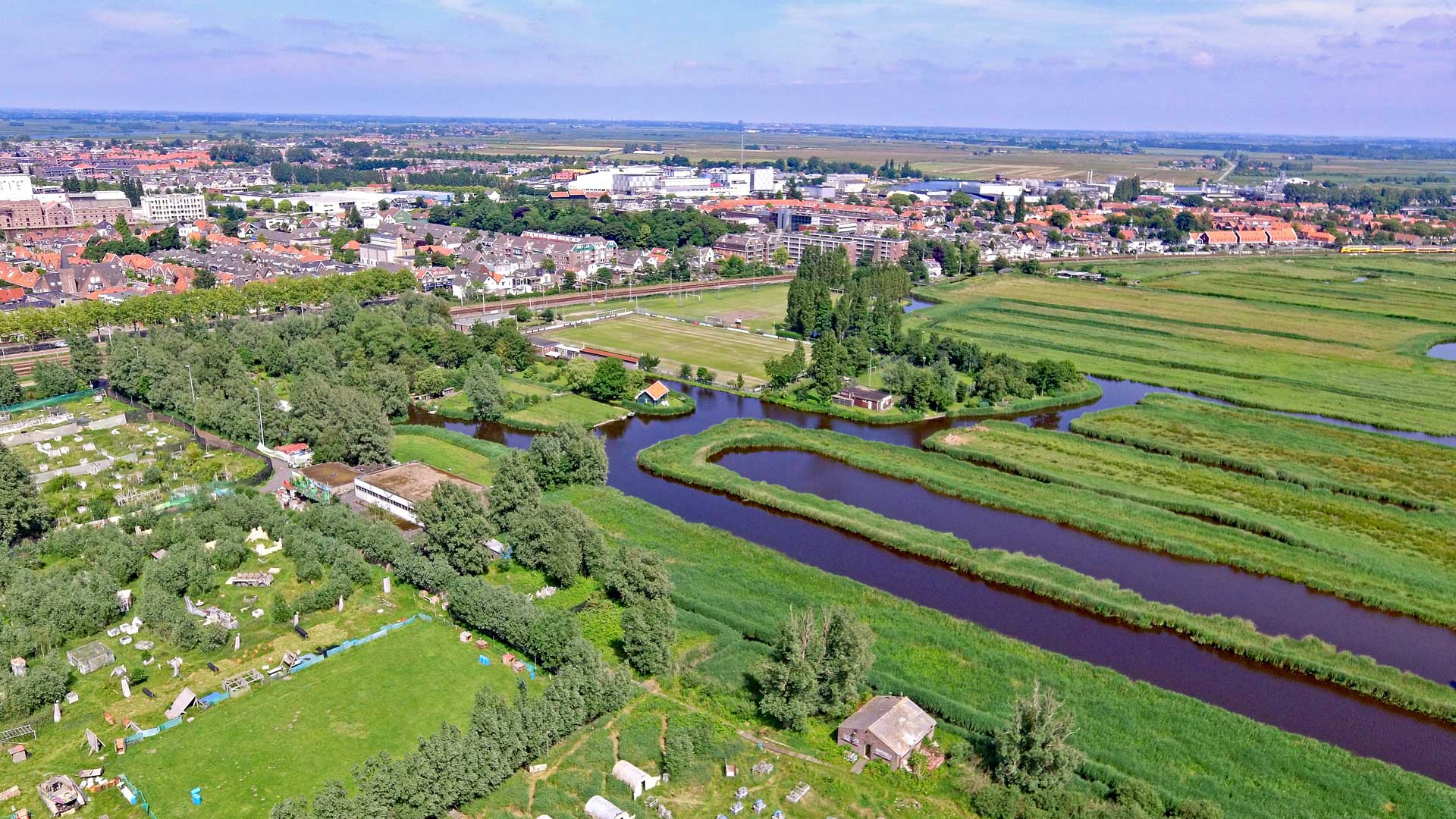
the Zaandam section of it. The southern part of the Westzijderveld, including De Reef, still covers an area of 1,075 hectares,
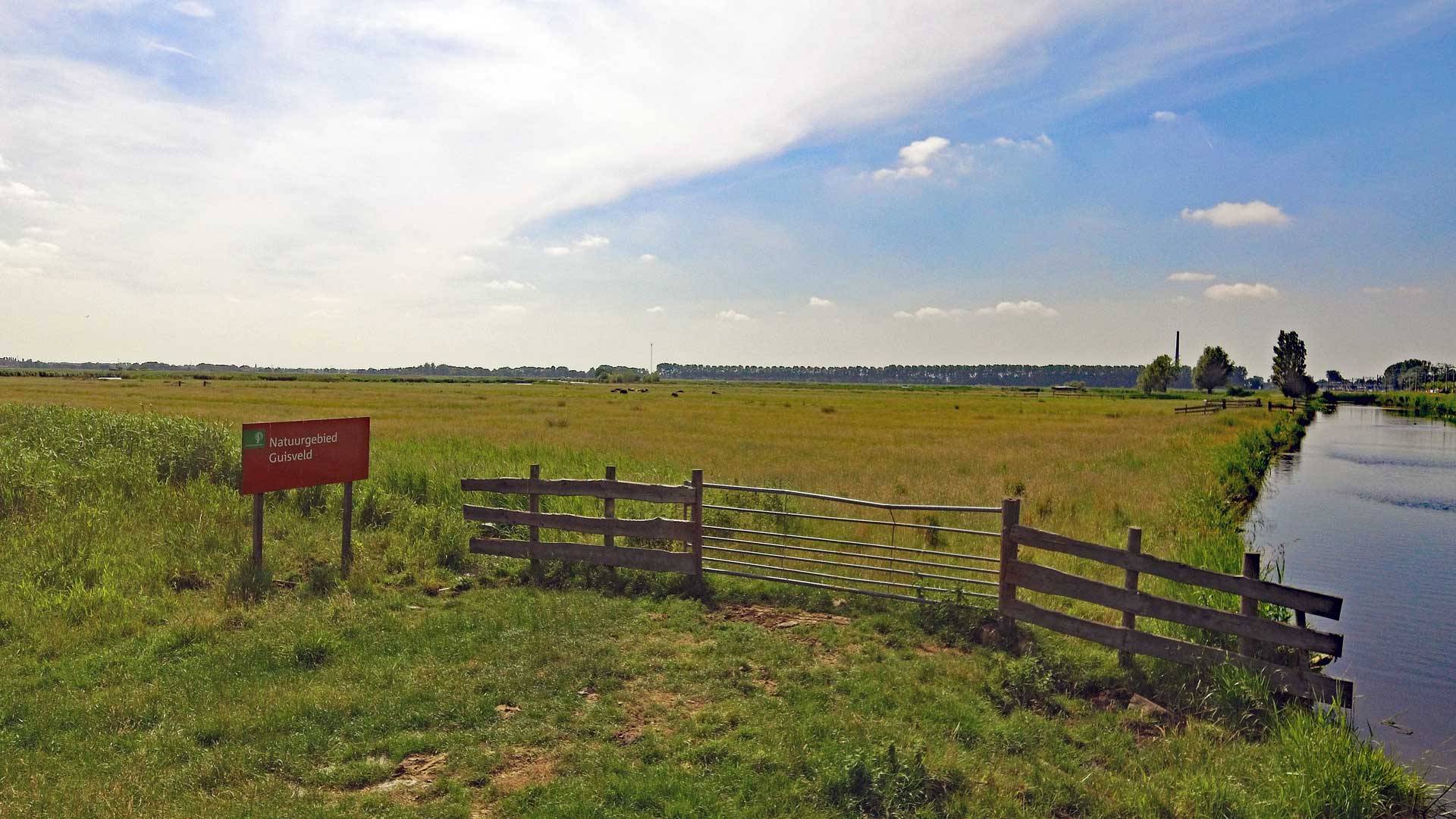
of which 300 hectares are water. The northern part, the Guisveld, covers 500 hectares,
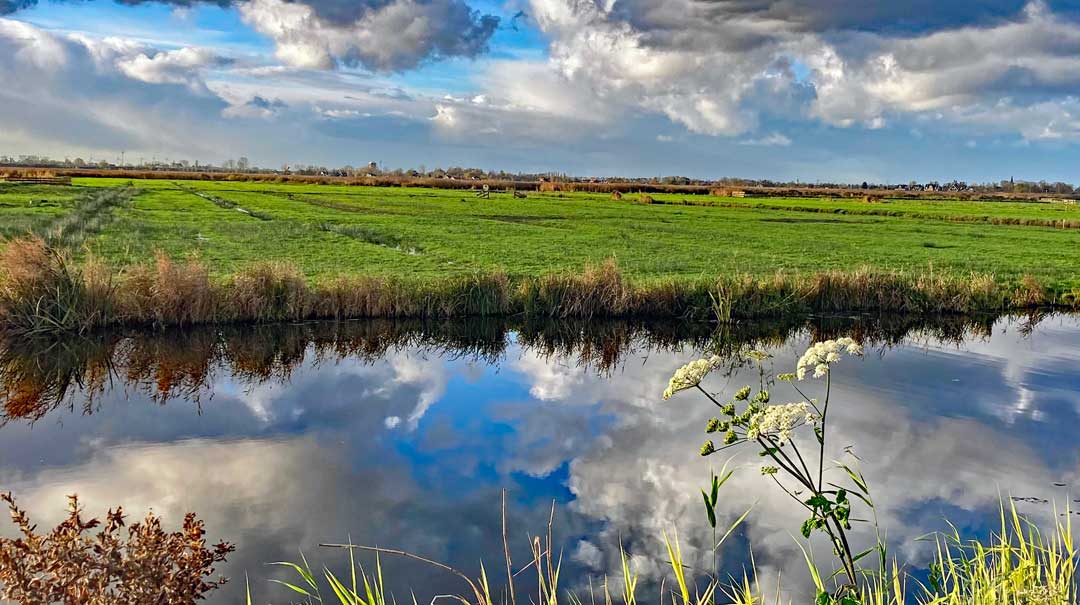
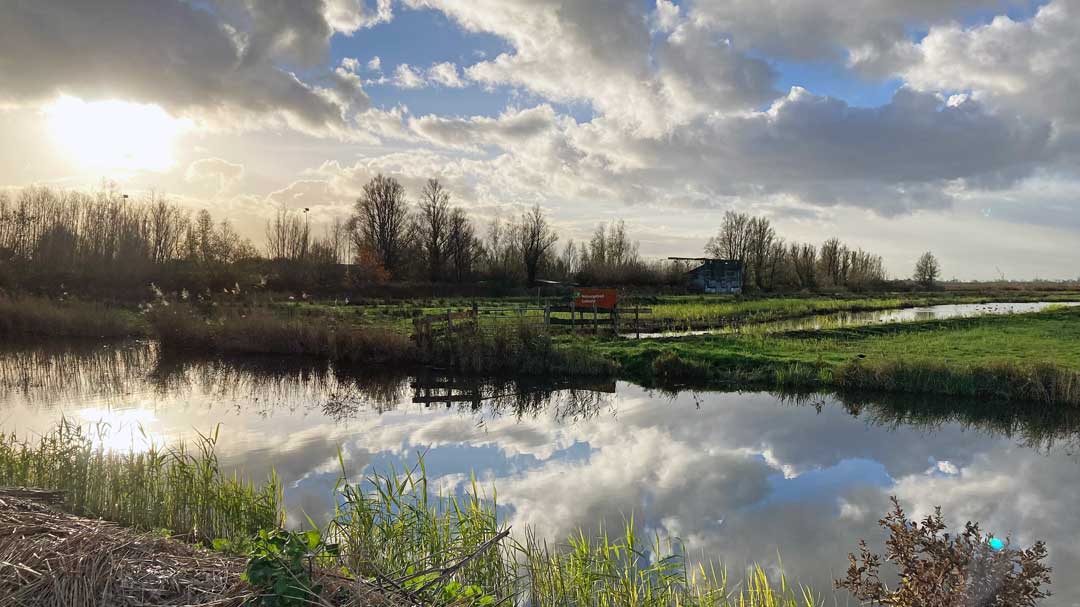
of which 135 hectares are ditches and ponds. There is a lot of water. Poor farmland, difficult
to access, rarely mowed, soft soil, often flooded. But that is precisely why
it is an area unlike any other.
The Formation of the Westzaan Polder
About fifty centuries before our era, a sandbar formed in the shallow waters west of what was then the coastline, stretching northward from France. Seeds carried there by the wind took root on that sandbar: vegetation began to grow. Gradually, the dunes took shape
About fifty centuries before our era, a sandbar formed in the shallow waters west of what was then the coast,
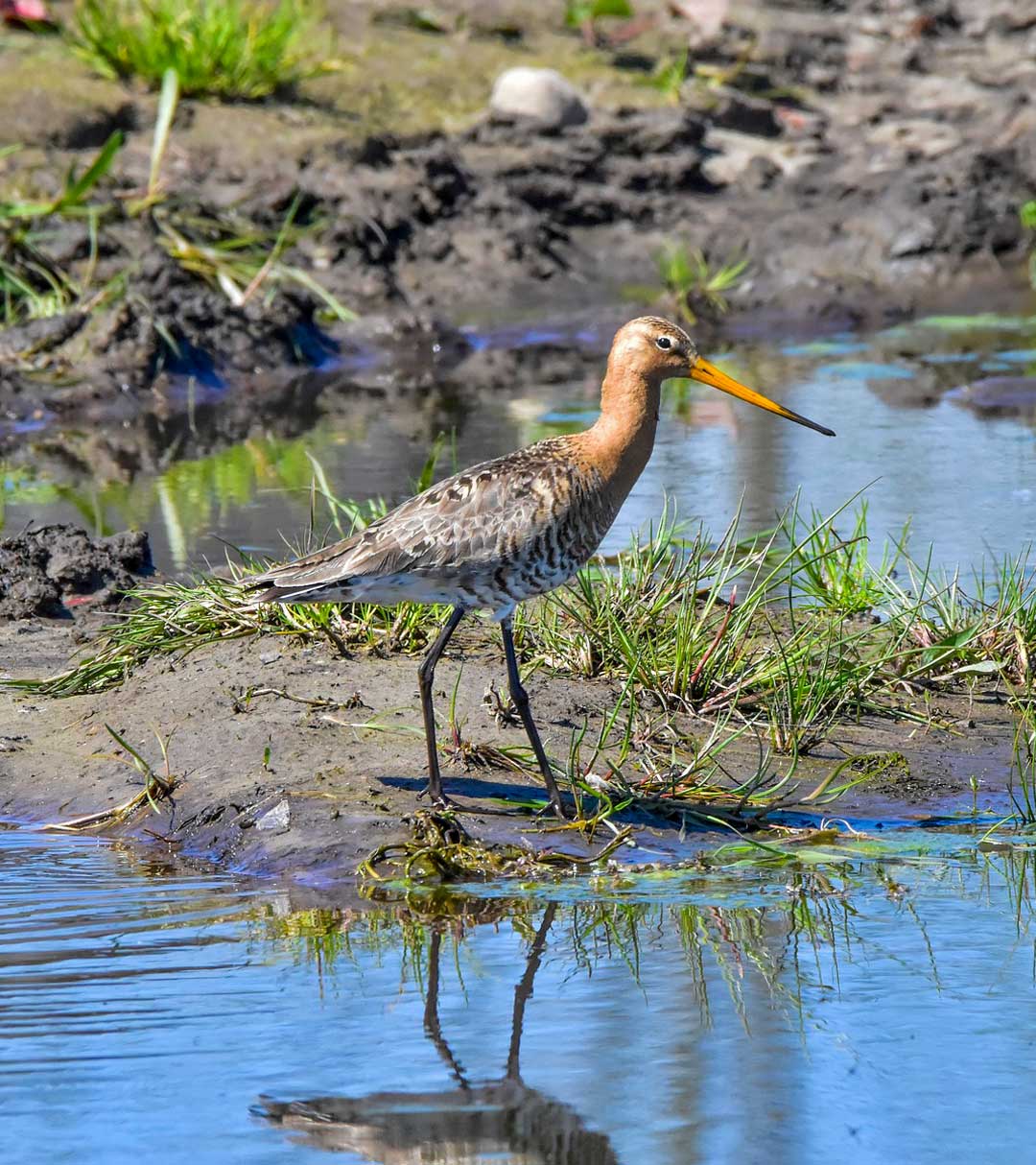
The bird density in this field is unmatched almost anywhere else. These are meadow birds that use the field as a breeding ground.
The polder is also of interest to flower lovers: the sundew, a carnivorous plant, and the marsh orchid can be found here
The Westzijderveld is also home to a variety of smaller mammals, such as the northern vole, the hare, and the red fox.
Photo Gallery
There is good news regarding the Westzijderveld as a meadow bird habitat. Aat Schoen, coordinator of the Westzaan nest protection team, presented an interesting overview covering the period from 1999 through 2006 for the Westzijderveld and the Reef area. It lists the counts of lapwings, black-tailed godwits, redshanks, oystercatchers, avocets, snipes, shovelers, and tufted ducks,